Chemical Peels
in Sacramento, CA

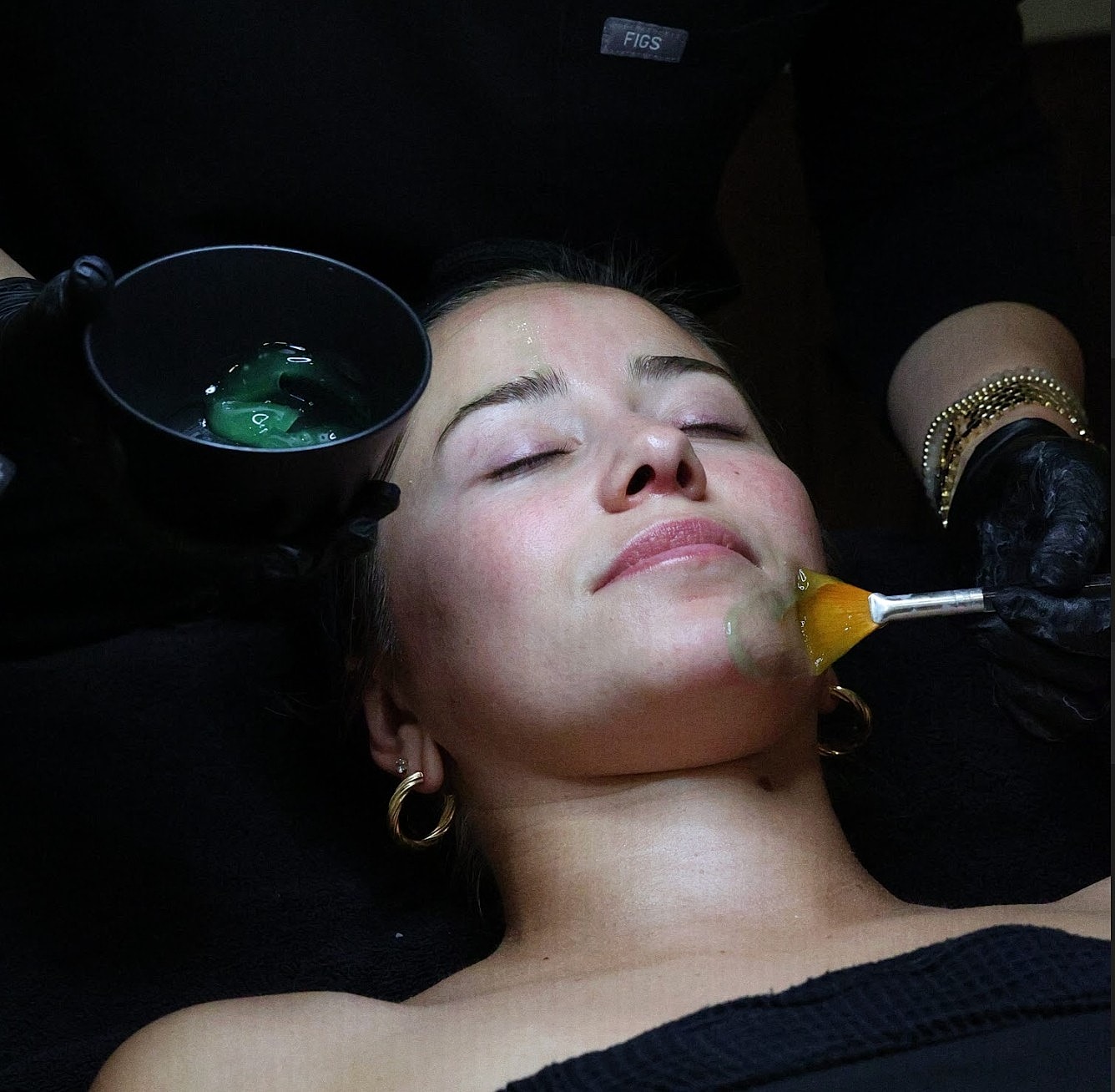
Chemical peel treatments vary in-depth and are designed to rapidly exfoliate the skin to improve texture, hyperpigmentation, fine lines, and acne.
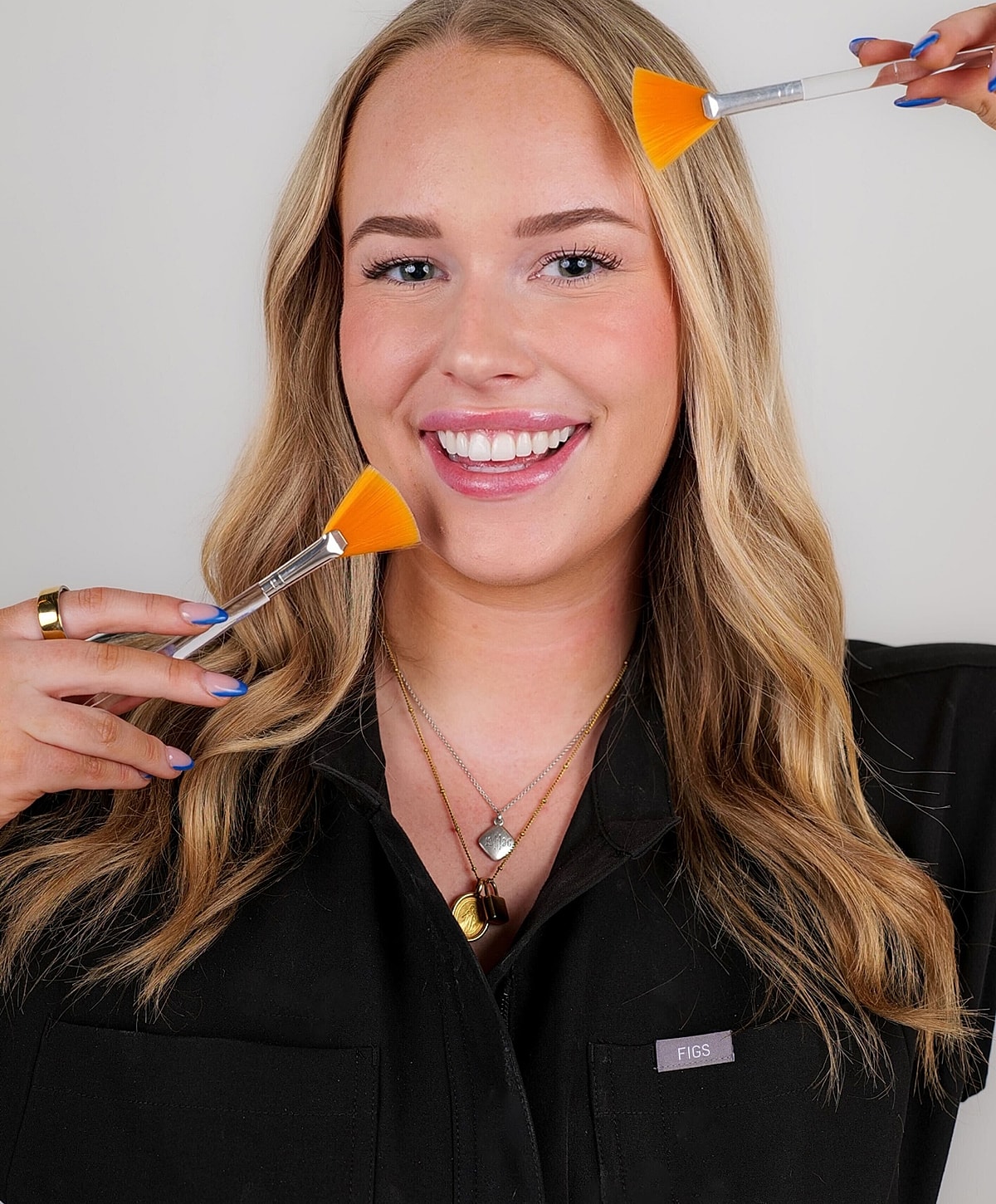
Sacramento chemical peels at Zen ReGen are performed by trained providers who match peel depth to your specific skin concerns and tolerance.
A chemical peel is a technique used to improve and smooth the texture of the skin. Facial skin is most commonly treated, and chemical peels can also help improve the appearance of scarring. The treatment works by applying a carefully selected peel solution that creates a controlled injury to the skin, removing its outermost layers and allowing fresh skin to emerge.

Among the chemical peels Sacramento offers, Zen ReGen provides light, medium, and deeper peel protocols selected based on your skin type and treatment goals. Schedule a consultation to find out which is the right fit.
Chemical peels can address several common skin concerns at once by removing damaged surface cells and encouraging fresher, smoother skin to come forward. The depth and type of peel can be adjusted depending on what you want to improve.
Chemical peels may help with:
Some concerns respond well to a lighter peel or a series of treatments, while deeper discoloration or texture changes may call for a stronger approach.
From a Quick Refresh to Deeper Renewal
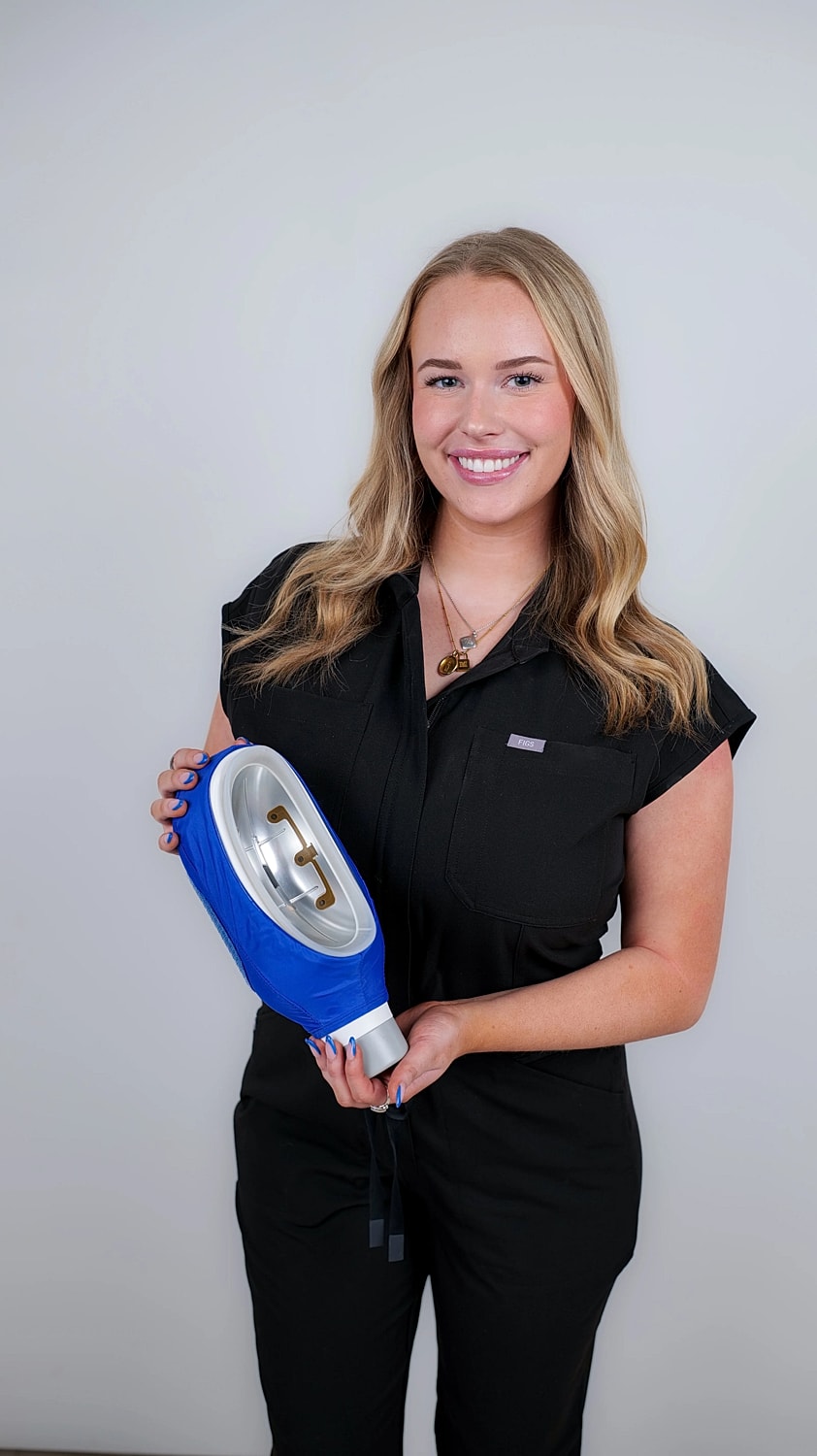
Not every chemical peel works at the same depth. Choosing the right level is important because it affects both the results you can expect and how much recovery your skin will need. Your provider will recommend the appropriate depth based on your skin, goals, and how much downtime you’re comfortable with.
Superficial or light peels work primarily within the outermost layers of the skin. They are often used for dullness, mild discoloration, uneven texture, clogged pores, and early signs of aging. These peels typically involve the least downtime and may be repeated as a series for gradual improvement.
Medium peels reach farther into the skin and can address more noticeable pigmentation, fine lines, sun damage, acne-related discoloration, and texture concerns. Because the treatment is stronger, you can expect more visible peeling and a longer healing period than with a superficial peel.
Deep peels create more intensive skin renewal and involve considerably more recovery. They may be considered for more advanced sun damage, deeper lines, or significant texture and pigmentation concerns. Deeper treatment also requires more careful patient selection, preparation, and aftercare.

The Right Peel for the Right Skin
Zen ReGen offers several professional chemical peel options you can choose from based on your skin type and treatment goals. Your provider will help determine which peel makes the most sense for your skin, rather than choosing a treatment based on strength alone.
Glycolic acid is an alpha hydroxy acid commonly used for superficial exfoliation. It can be a good option for improving dullness, uneven texture, mild discoloration, and early signs of aging while keeping recovery relatively light.
Jessner’s peels provide a stronger level of exfoliation and may be used for concerns such as acne, uneven pigmentation, sun damage, and rough texture. The strength and treatment approach can be adjusted according to the condition of your skin.
Trichloroacetic acid, or TCA, can be used at different strengths to create varying levels of exfoliation. TCA peels may be recommended for pigmentation, sun damage, fine lines, acne-related changes, and uneven texture.
The ZO 3-Step Peel is a professional peel from ZO Skin Health designed to improve skin texture, discoloration, and visible signs of aging. It provides a more intensive exfoliating treatment for patients who want more correction than a light peel can provide.
A Peel Chosen for Your Skin
Chemical peels can be an option for many different skin types and tones, but the treatment has to be selected carefully. Your provider will consider your skin tone, sensitivity, pigmentation history, current skincare routine, previous treatments, and the concerns you want to address.
Skin tone is especially important when choosing peel depth. Patients with higher Fitzpatrick skin types can still be candidates for chemical peels, but more aggressive exfoliation may increase the risk of post-inflammatory hyperpigmentation or uneven pigment. A more conservative peel or thoughtful skin preparation may be recommended when pigmentation is a concern.
You may also need to postpone treatment if your skin is irritated, sunburned, recently tanned, or still healing from another procedure. Your consultation gives your provider a chance to look at your skin and recommend an approach that balances improvement with a safe recovery.
Getting Your Skin Ready
Proper preparation can help your skin respond well to treatment and reduce the risk of irritation. Before your chemical peel:
Your provider may give you additional instructions depending on your skin, current skincare products, and the type of chemical peel you receive.
Smoother, Brighter Skin Revealed
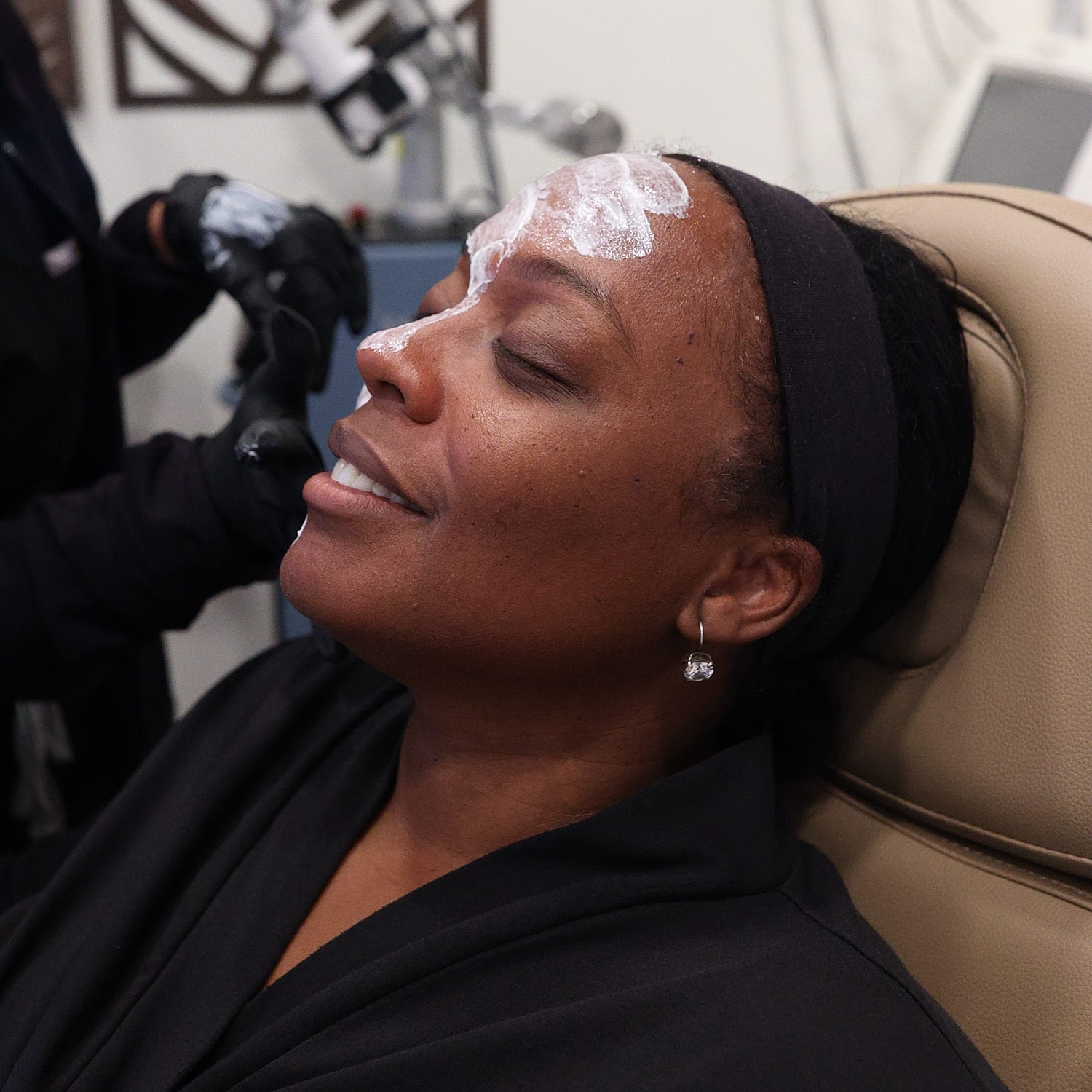
Once the peeling and initial healing are complete, the skin generally looks smoother, brighter, and more even. You may also notice improvements in texture, discoloration, fine lines, or acne-related concerns depending on the peel you received.
Lighter peels often produce gradual changes and may work best as a series. Three to five treatments may be recommended when using a superficial peel to build results over time. Medium and deeper peels typically create a more noticeable change from a single treatment, but they also require more recovery.
Chemical peel results aren’t permanent because your skin will continue to age and accumulate sun exposure. Daily sunscreen and a good at-home skincare routine can help protect your results.
Care for Your Skin as It Heals
Your recovery will depend on the type and depth of your chemical peel. With many peels, the skin may begin peeling about three days after treatment and continue for another two to four days. Your skin may also show very little visible peeling, which doesn’t mean the treatment was ineffective. Every peel and every person responds differently.
To care for your skin after treatment:

Skin Expertise Meets Personalized Care
Zen ReGen is a physician-led cosmetic dermatology and aesthetics practice founded by board-certified dermatologists Dr. Cindy Chambers and Dr. Raja Sivamani. That dermatology background shapes the way we approach skin treatments, including something as seemingly straightforward as a chemical peel.
Instead of using the same peel on every patient, we consider your skin type, pigmentation, sensitivity, goals, and tolerance for downtime before recommending a treatment. With several peel strengths and formulations available, your treatment can be tailored to the level of correction your skin actually needs.
A chemical peel is a technique used to improve and smooth the texture of the skin. Facial skin is mostly treated and scarring can be improved. Chemical peels are intended to remove the outermost layers of the skin. To accomplish this task, the chosen peel solution induces a controlled injury to the skin.
Chemical peel treatments vary in-depth and rapidly exfoliate the skin to improve texture, hyperpigmentation, fine lines, and acne. These are quick, cost-effective treatments that can yield dramatic results and help your skincare products penetrate better.
After a medium or deep peel, you will have downtime. A deep chemical peel requires recuperation at home for 2 to 3 weeks.
Once your skin heals, you will see the results. Healing time ranges from 1 day for a refreshing or lunchtime peel to 14 days or longer for a deep peel. To get the results you seek from a refreshing peel or lunchtime peel, you may need to have 3 to 5 peels.
Most results are not permanent because our skin continues to age. If you have lots of sun-damaged skin or precancerous skin growths called AKs, you will likely continue to see new spots and growths on your skin.
To maintain results, you can repeat mild and medium chemical peels. Your dermatologist can tell you how often you can have a repeat treatment.
The cost of a chemical peel varies depending on the type and depth of peel recommended and whether your treatment plan includes a series. During your consultation at Zen ReGen, your provider can recommend the appropriate peel and review the cost of your treatment plan with you.
Yes, chemical peels can be performed on darker skin tones, but careful product and peel-depth selection is especially important. Stronger exfoliation can increase the risk of unwanted pigment changes in some patients, so your provider will consider your Fitzpatrick skin type, pigmentation history, and overall skin condition before recommending a peel.

Zen ReGen Aesthetics
Mon - fri: 9AM - 5PM
(Closed 12PM - 1PM for lunch)
Weekends By appointment only

Longevity Lab
Mon: Closed
Tues -Thurs: 10AM - 6PM
Fri - Sun: 10AM - 4PM