Botox
in Sacramento, CA

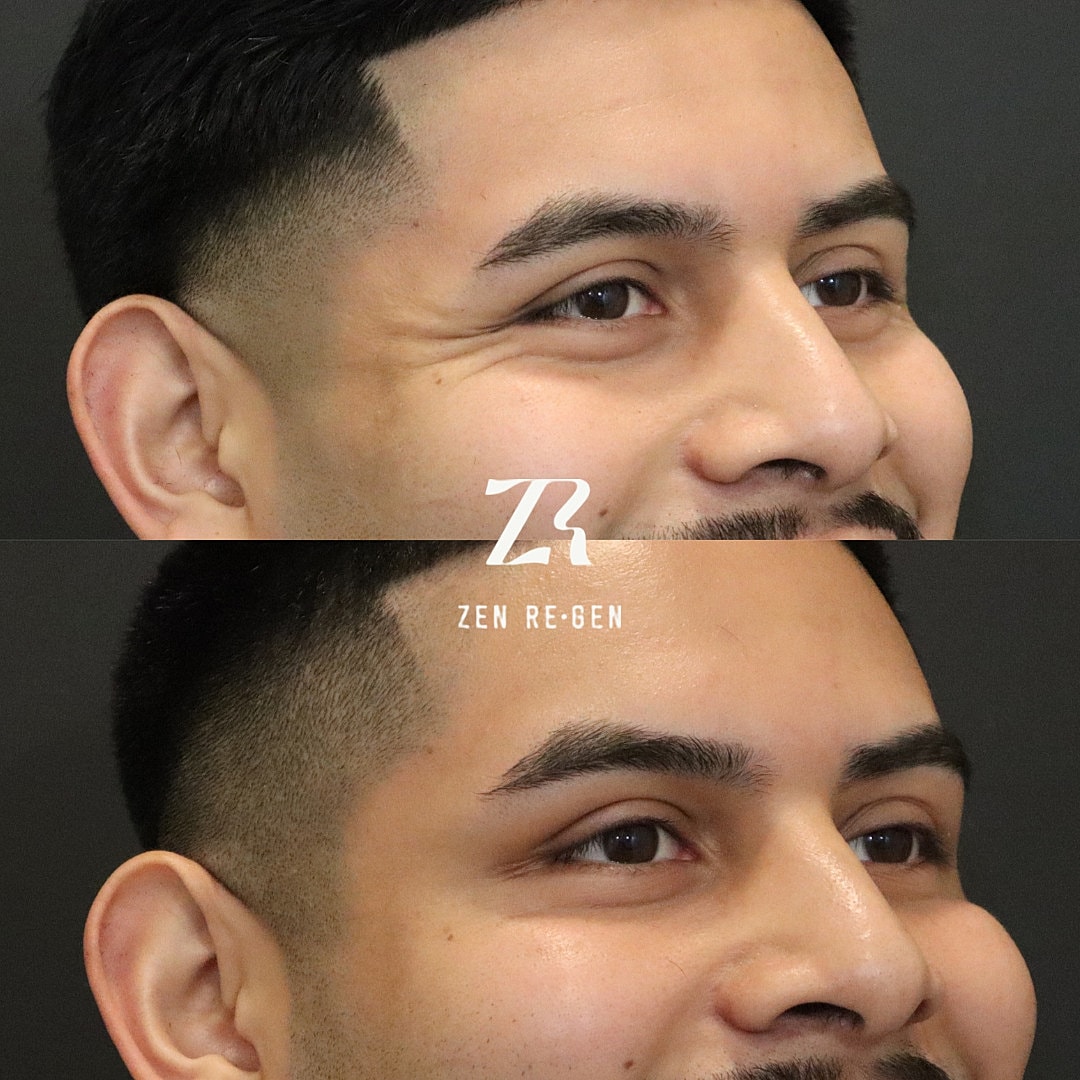
Subtle work has become the standard. People are paying attention to movement now, not just wrinkles. They want a fresher look, smoother expression, and results that read polished (not frozen) in daylight, on Zoom, and across the table at dinner.
At Zen ReGen, Botox is used with that level of restraint in mind. Our Sacramento team approaches treatment through facial balance, skin quality, and precision. The goal is to soften the lines that pull focus without flattening the face or making the expression look unfamiliar. For patients looking for non-surgical cosmetic treatments with natural-looking results, Botox remains one of the most reliable options. The Botox Sacramento patients at Zen ReGen receive is planned around facial movement, balance, and how results will read in real life.

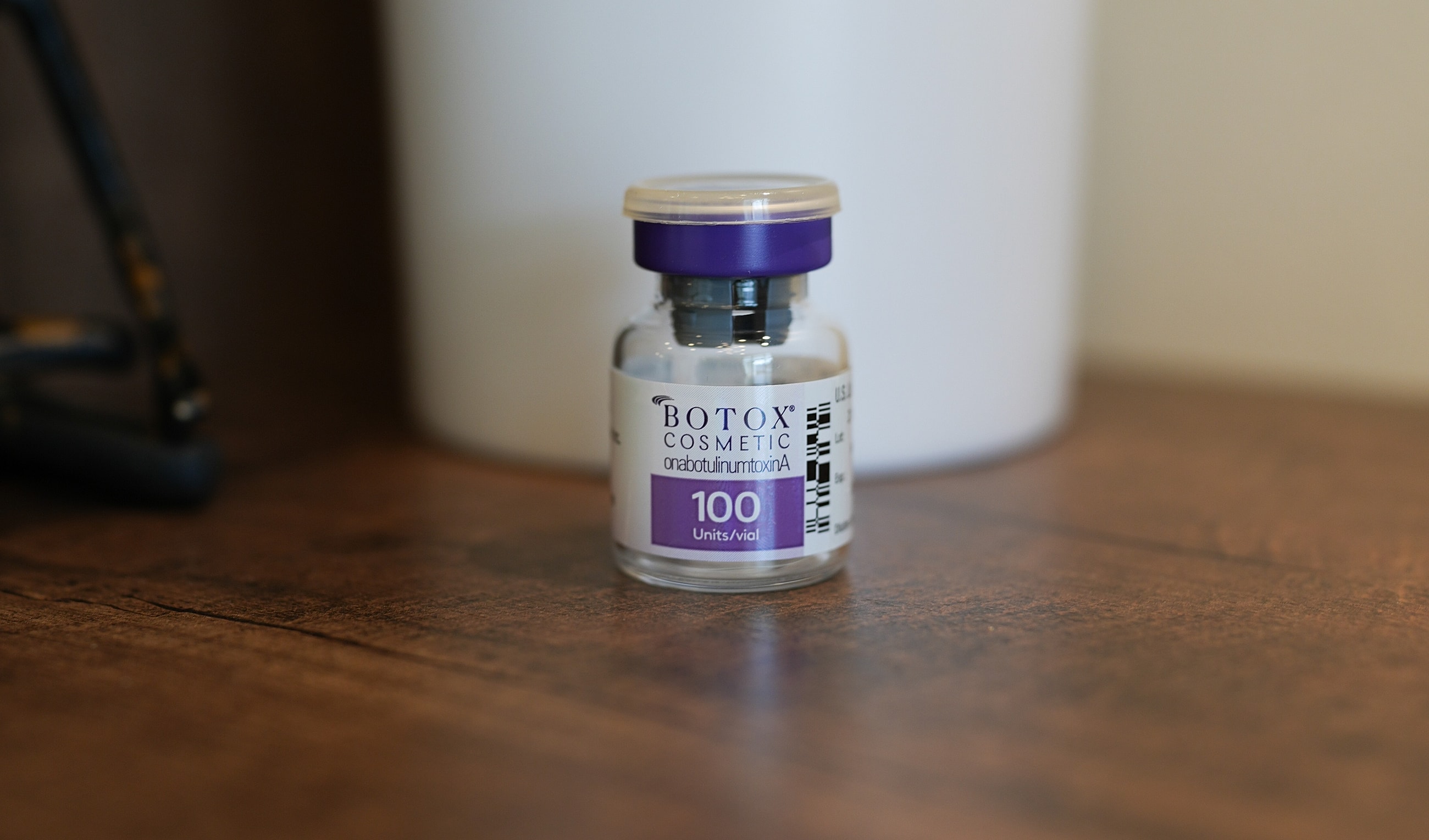
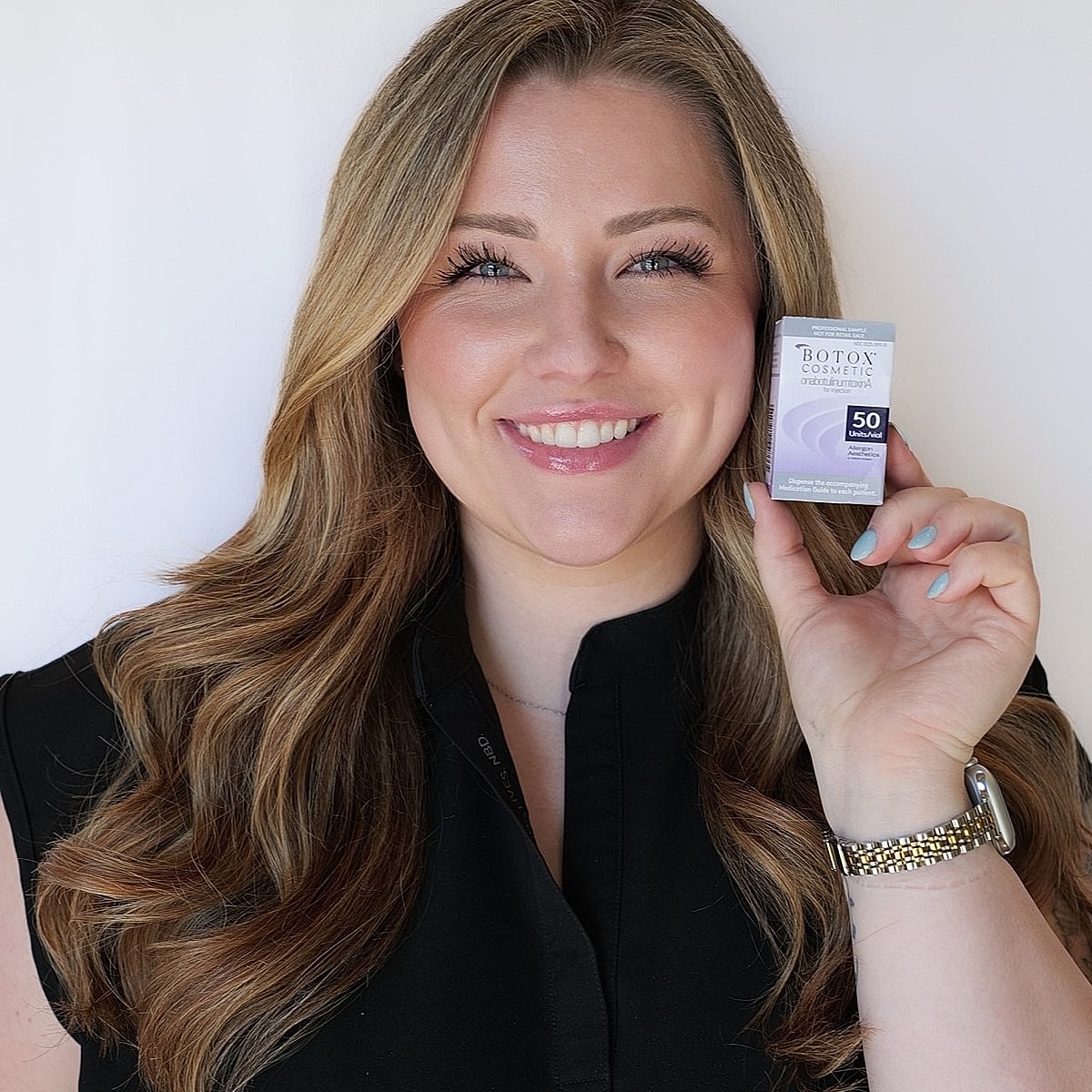
Botox Cosmetic is an FDA-approved prescription medicine made with botulinum toxin type A. In cosmetic treatment, Botox injections temporarily relax specific facial muscles to soften dynamic facial wrinkles caused by repeated movement. It is most often used to treat frown lines, forehead lines, crow’s feet, and other expression-related areas of the face and neck.
Botox has been around for decades, but the technique is what shapes the outcome. In experienced hands, botulinum toxin injections can temporarily improve facial wrinkles while keeping expression natural and balanced.
1 of 5
At a Glance | Botox |
|---|---|
| Best For | Dynamic lines caused by facial movement |
| Treatment Type | Injectable wrinkle relaxer |
| Downtime | Minimal |
| Pain Level | Mild, quick pinches |
| Appointment Length | About 15–30 minutes |
| When Results Appear | Often within a few days, with fuller effect around 10–14 days |
| How Long Results Last | About 3–4 months for most patients |
| Pricing Note | Cost depends on the number of units used and the areas treated |
Botox is best known for forehead lines, but that’s only part of the picture. We use Botox treatment across multiple facial areas where muscle contractions create creasing, pulling, bunching, or tension in the skin.
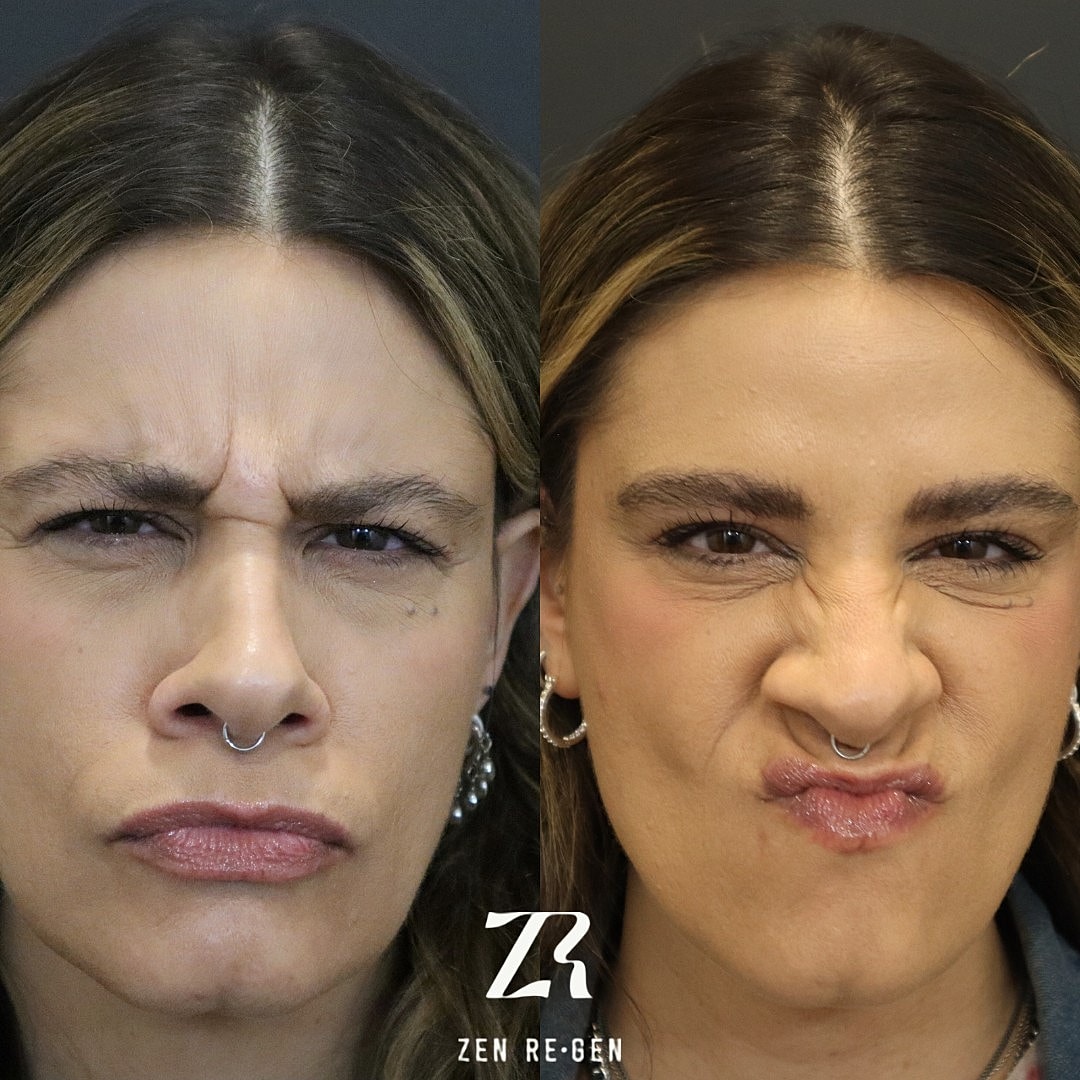
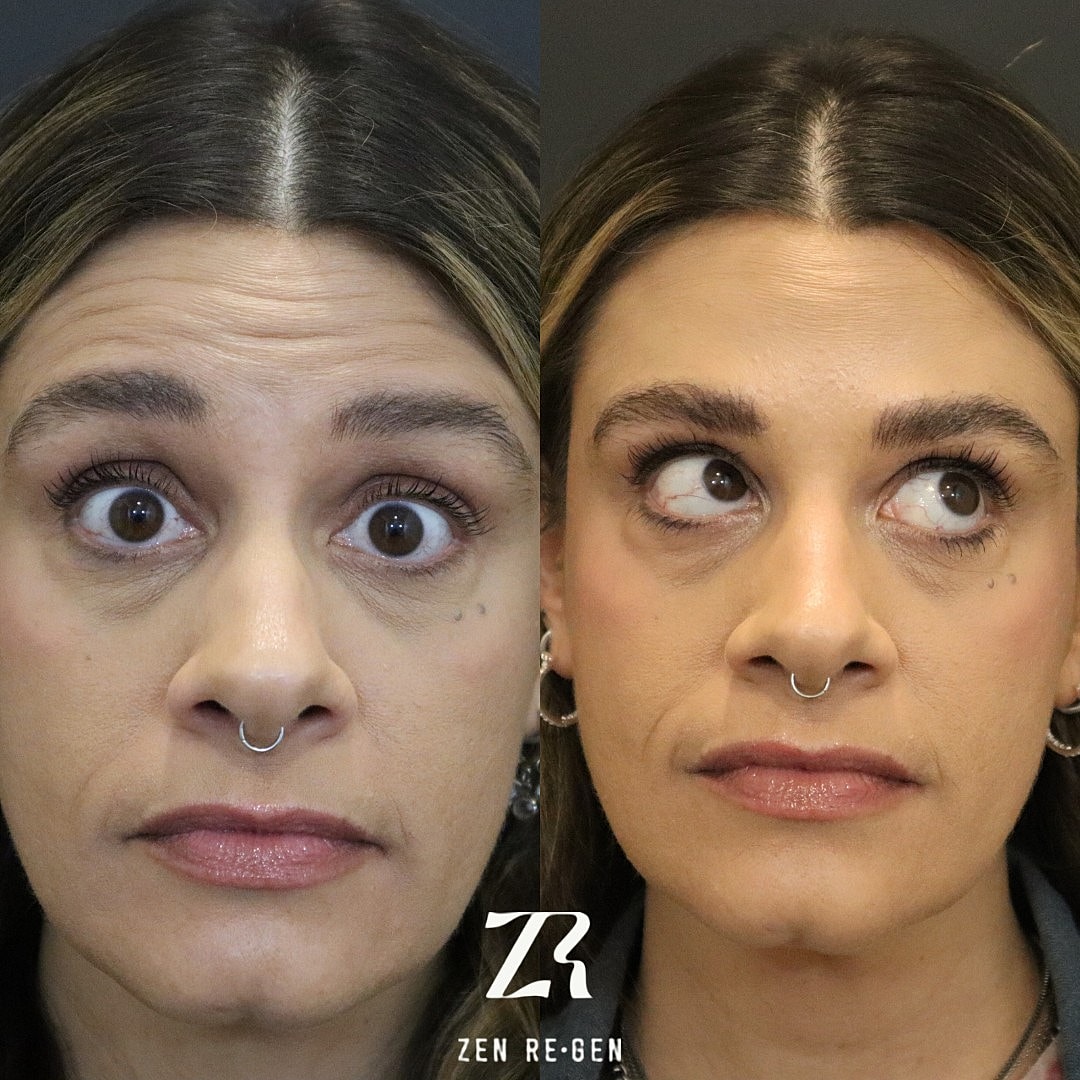
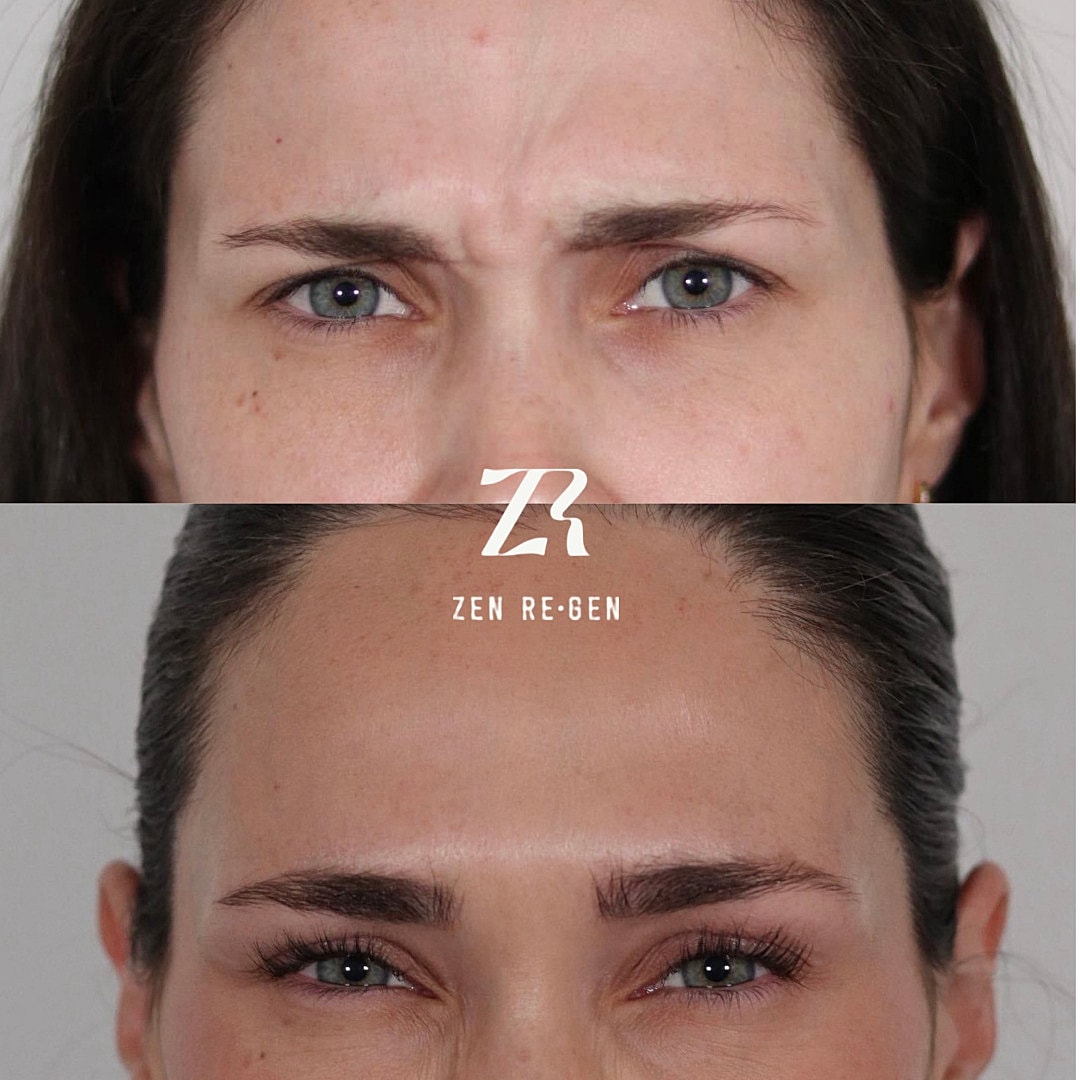
These horizontal lines tend to show up when you raise your brows. Botox can soften their appearance while keeping the forehead from looking heavy or overdone. Since the forehead muscles are closely tied to brow position, this treatment area always benefits from careful planning.
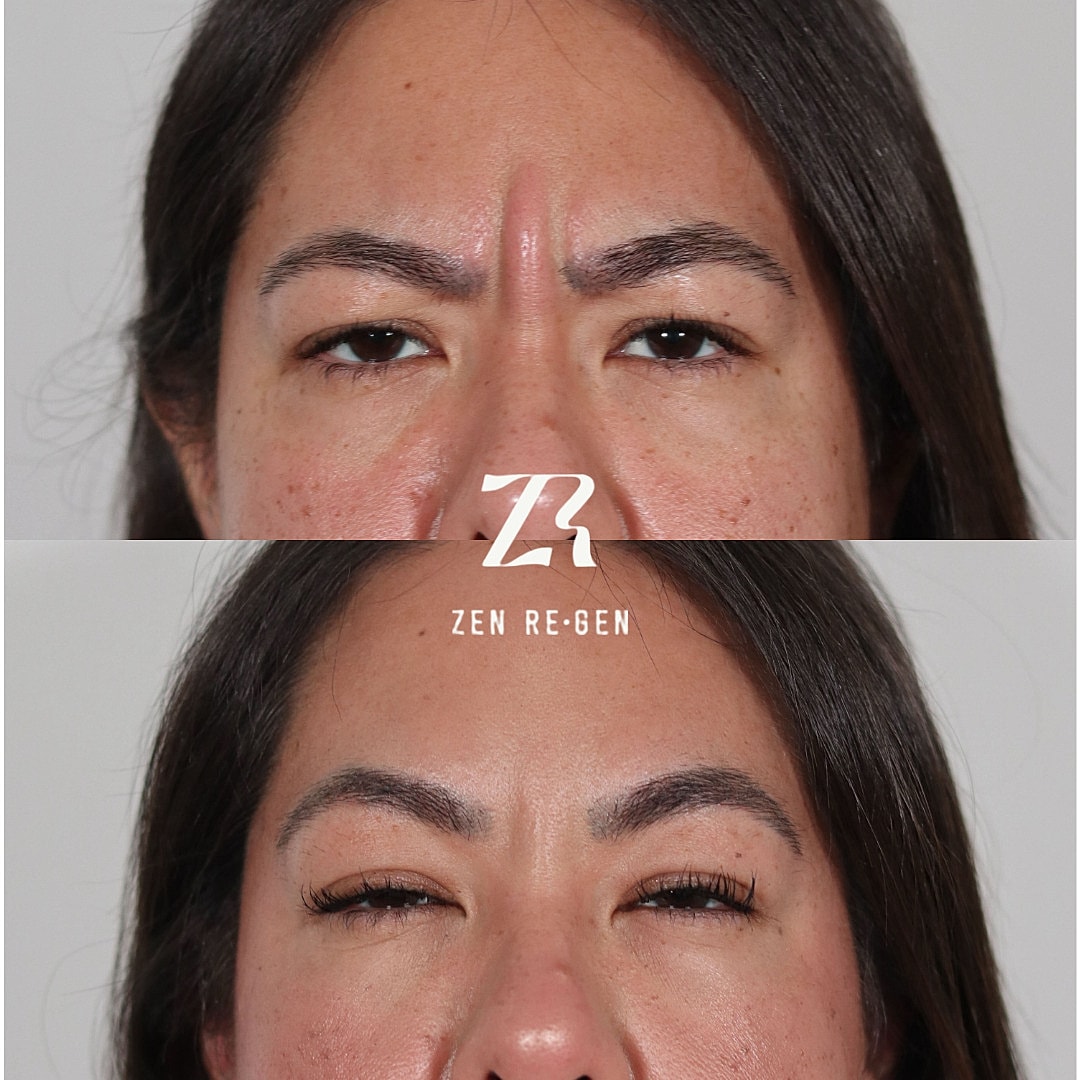
Often called the “11s,” these lines can make the face look tense even when you feel relaxed. Botox Cosmetic is especially well known for treating moderate to severe or severe frown lines in this area, where repeated muscle movement tends to leave a stronger mark over time.
Small lines at the outer corners of the eyes usually deepen with smiling and squinting. Botox can smooth crow’s feet and crow’s feet lines while preserving natural expression.
These wrinkles form along the sides of the nose during smiling or scrunching. A small amount of Botox can refine the area cleanly.
Botox can soften fine movement-related lines around the mouth and create a slight outward roll of the upper lip in the right patient. This is one of those details that looks easy on paper and still depends heavily on dose and placement.
An overactive chin muscle can create a pebbled texture or dimpling. Botox helps the surface look smoother and more even.
Some patients pull downward at the corners of the mouth even at rest. Botox can soften that pull and create a more neutral expression.
When the masseter muscle is enlarged, the lower face can look broader or more square. Botox can slim that area over time and reduce jaw tension in select patients.
If the upper lip lifts high when you smile, a small amount of Botox may help reduce gum show.
Botox can soften platysma bands, the vertical bands that become more visible in the neck over time. Treating these vertical bands can help the lower face and neck look more refined.
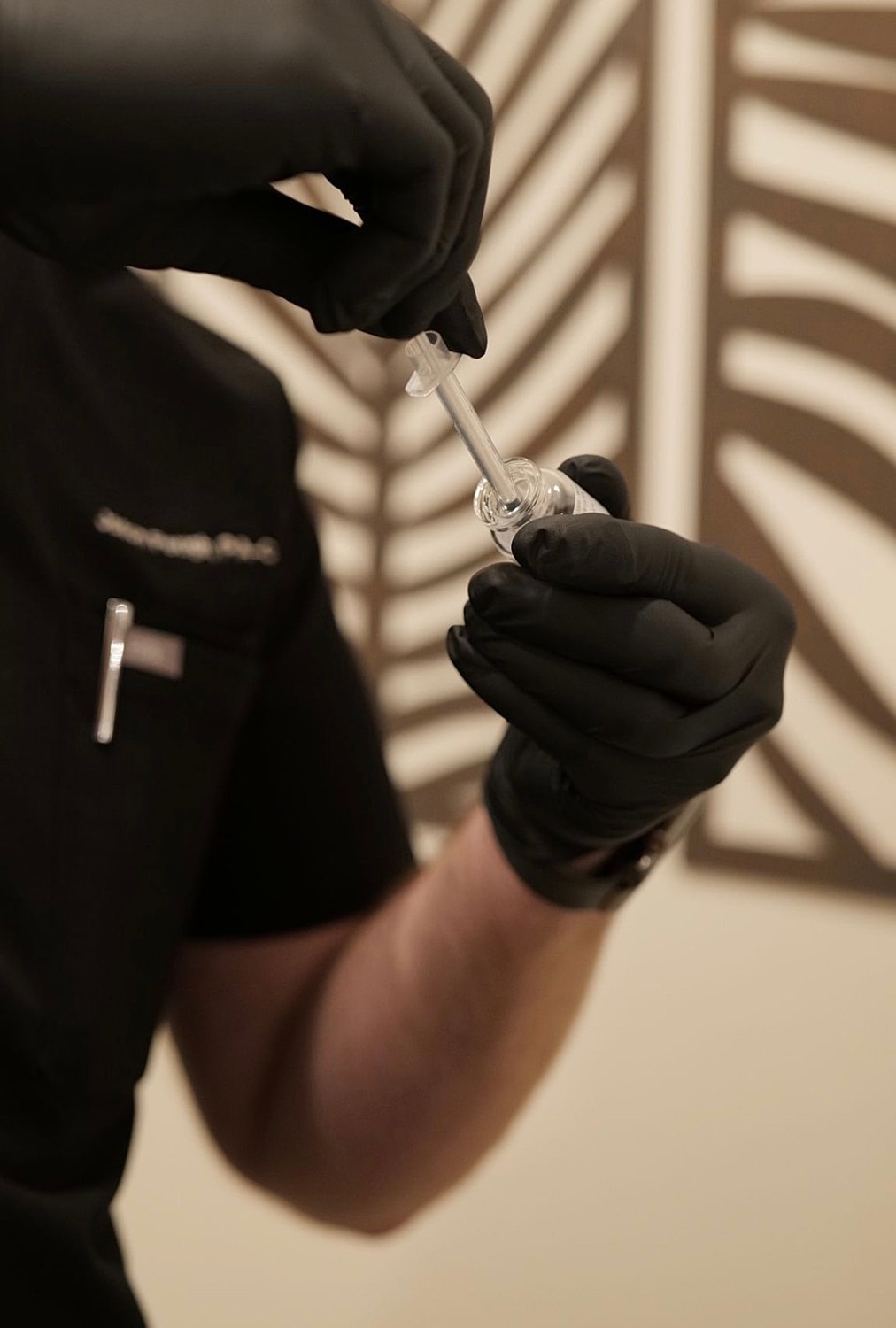
Botox works by interrupting nerve signals to specific muscles. Once those nerve signals are reduced, the muscles responsible for certain expressions stop contracting as forcefully. That matters because many wrinkles form when the skin folds over the same active facial muscles again and again.
This is why Botox is strongest for dynamic wrinkles. Those are the lines that appear when you raise your brows, squint, smile, or frown. If a line is deeply etched into the skin and visible even when your face is fully at rest, Botox may still help. Still, sometimes that concern responds better when Botox injections are paired with filler, laser treatment, or resurfacing.
Botox remains one of the most popular cosmetic treatments for a reason. It is quick, precise, and flexible.
Benefits may include:
It also gives us control. That matters.

A frozen look is usually a treatment problem, not a Botox problem.
Patients often worry that receiving Botox will erase all movement or make the face look stiff. That usually comes down to dosing that is too aggressive, placement that is off, or a treatment plan that ignores facial balance. Every forehead does not need the same approach. Every brow does not sit the same way. Every patient wants a slightly different amount of movement preserved. The goal is to soften wrinkles while keeping the face expressive, relaxed, and recognizable.
Preventative Botox can make sense for patients who are starting to see lines linger after expression, especially in the forehead or glabella. The idea is simple: reduce the repetitive folding that makes those lines harder to smooth over time.
Age alone does not decide this. Muscle strength matters. Facial habits matter. Skin quality matters.
Some patients in their late 20s or early 30s benefit from small, strategic Botox injections. Others do not need it yet. This is one of those conversations that works better in person, with real facial movement in front of us instead of generic age brackets from the internet.
Botox works well for many adults who want a softer, more rested look without surgery or recovery time. It is especially useful for patients whose main concern is movement-based wrinkling.
We will also tell you when Botox is only part of the answer. That honesty matters.

Botox does not require major preparation, but a few small steps can make treatment smoother.
A Botox appointment is quick. The planning takes longer than the injections.
Most patients describe the feeling as a few quick pinches. Forehead and crow’s feet treatments are usually very tolerable. Pain is minimal for most patients, and the appointment itself often takes less than 30 minutes.
There is no useful one-size-fits-all number.
The right dose depends on the treatment area, the strength of your muscles, the shape of your face, your treatment history, and the look you want. Someone with strong frown muscles may need more units than someone who needs a light touch. A patient who wants more preserved movement may choose a different plan than someone who wants a stronger softening effect.
This is also why bargain Botox can be misleading. A low quoted price means very little without knowing how many units are being used, how they are being distributed, and whether the plan makes sense for your face.
Botox is one of the easier treatments to fit into a normal schedule. That said, there is still an aftercare window to think about.
You may have slight redness, tiny bumps at the injection site, or minor swelling right after treatment. These usually settle quickly.
Most patients go right back to work, errands, or lunch plans. If you are doing Botox before an event, it is smarter to plan it at least two weeks ahead so the final effect has time to settle.
For the rest of the day, we usually recommend avoiding strenuous exercise, heavy rubbing or massaging of the treatment area, and anything that places prolonged pressure on the face.
A simple post-treatment routine is best. Leave the area alone. Skip the facial massage. Give the product time to settle where it was placed.
Botox does not work the second you leave the office. It builds over several days.
For most patients, Botox lasts about three to four months.
That window can shift depending on the treatment area, your metabolism, muscle strength, dose, and how consistently you maintain treatment. First-time patients sometimes wear off a little differently than regular maintenance patients. Stronger lower-face muscles can also behave differently from the upper face.
Many patients come in three or four times a year. That tends to be the sweet spot for maintenance.
Some wait longer. Some need a more structured cadence in a few specific areas. The goal is not to chase constant retreatment. It is to stay ahead of the return of full muscle pull in a way that still looks natural.

Botox, Dysport, and Jeuveau are all botulinum toxin products. They work through the same general mechanism, but they are not interchangeable in a lazy way.
Some patients feel one product kicks in a bit faster. Some respond better to one than another over time. Units are measured differently, so price comparisons can get messy fast. Product choice often comes down to treatment area, facial pattern, prior response, and injector preference.
This is why a consultation matters. Product names get attention. Technique is what shapes the result.
Botox and fillers do different jobs.
Botox | Filler |
|---|---|
| Relaxes muscle movement | Restores volume or structure |
| Best for dynamic lines | Best for hollowing, contour loss, or deeper folds |
| Commonly used on the forehead, frown lines, crow’s feet, and platysma bands | Commonly used in cheeks, lips, jawline, under-eyes, and folds |
| Temporary wrinkle softening | Temporary structural support or enhancement |
Some patients need one. Some need both. If your main concern is motion, Botox usually makes sense. If your main concern is shadowing, flattening, or loss of support, filler may be the better option.
Yes, and often very effectively. Botox works well in combination with:
Combination planning is often where the best outcomes happen. One treatment can soften movement. Another can improve the skin itself.

Zen ReGen approaches Botox through a dermatologist-founded lens. That shapes the treatment plan from the start.
We focus on movement patterns, facial balance, skin quality, and results that look natural in real life. Our Sacramento cosmetic dermatology team is not chasing a flat forehead or a trend-driven template. We are looking at how your face moves, where tension lives, and what needs to be softened so the overall impression feels fresher and more refined.
That restraint is part of the value. So is the setting. Botox at Zen ReGen sits inside a broader standard of physician-led aesthetics, regenerative thinking, and long-term skin health. Patients come to us for cosmetic purposes, but the planning still reflects medical judgment. For Sacramento Botox patients who want precise, physician-guided treatment without the frozen look, Zen ReGen offers a standard of care that goes beyond a standard med spa.
Ready to talk through Botox with a team that values precision, balance, and natural-looking results? Schedule your consultation with Zen ReGen in Sacramento, and let’s build a plan that fits your face, your movement, and your goals.
Botox cost depends on the number of units used, the areas treated, and the complexity of the plan. Stronger muscles usually require more product. The most accurate quote comes after an in-person assessment of how your face moves.
Most patients say Botox feels like a few quick pinches. The needle is very small, and treatment is fast. Forehead and crow’s feet injections are usually easy to tolerate.
It is usually best to wait until the next day before doing strenuous exercise. That gives the product time to settle and helps reduce the chance of extra swelling or irritation.
Yes. Natural-looking results depend on dose, placement, and injector judgment. The goal is smoother movement, not a frozen face.
There is no fixed age. Some patients start when early lines begin lingering after expression. Others do not need it until later. Muscle movement and skin behavior matter more than birthdays.
Your facial muscles gradually return to their normal activity, and the wrinkles that Botox was softening slowly come back. You will not look worse because you stopped. You will simply lose the treatment effect.
Sometimes. Botox is best for dynamic wrinkles caused by movement. If deep wrinkles are visible at rest, you may need a combination plan with skin resurfacing or filler.
Yes. They are all botulinum toxin type A wrinkle relaxers, but they have different dosing systems and can behave slightly differently from patient to patient. The best choice depends on your treatment plan.
Zen ReGen Aesthetics
Mon - fri: 9AM - 5PM
(Closed 12PM - 1PM for lunch)
Weekends By appointment only

Longevity Lab
Mon: Closed
Tues -Thurs: 10AM - 6PM
Fri - Sun: 10AM - 4PM